Coptic Orthodox Church
Schwäbisch Gmünd

Church of St. Abanoub

DE EN عربى

About the Copts

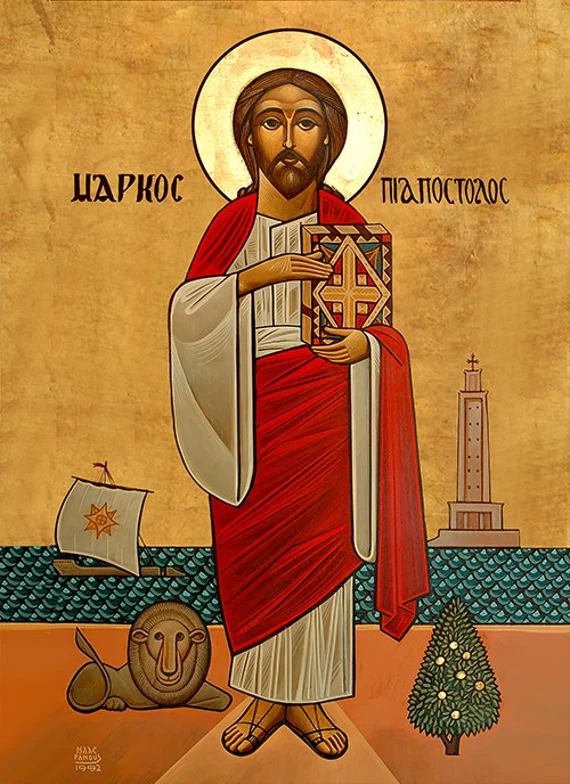
St. Mark
St. Mark

The Coptic Orthodox Church is an Oriental Orthodox Church founded on the teachings of St. Mark, who accompanied Peter and Paul and supported them in ministry and evangelization. Peter called him his son, as stated in the First Epistle of Peter: "Mark, my son, greets you," Chapter 5:13.

St. Mark preached Christianity in Egypt during the reign of the Roman Emperor Nero in the first century, about twenty years after the completion of Christ's Gospel and His Ascension.

The first person in Egypt to believe in Christ was a cobbler named Anianus, to whom St. Mark went after his arrival in Egypt to repair his shoes worn from traveling. The cobbler cried out to God when the needle he was working with pierced his hand. He cried: "O God, the One." When St. Mark heard this, he was surprised and saw it as an opportunity to tell him about this One God. He healed his finger and began to proclaim the Lord. Anianus and his family accepted the faith, and Mark baptized them.

St. Mark was able to convert many Egyptians to Christianity. He had a great influence on the Egyptians and, like a hammer (the meaning of his name), he destroyed the belief in idolatry. He became the first Bishop of Alexandria and the first Patriarch of the Alexandrian See. He ordained one bishop, three priests, and seven deacons.

He founded in Alexandria the first theological school in the world, a catechetical school capable of combating the ideas of the pagan school. He also established the Divine Liturgy. St. Mark preached the Gospel throughout Egypt, many people became Christians, and he founded many churches.

He was eventually martyred for his faith, and his feast day is celebrated on the 25th day of the Coptic month of Baramhat, which corresponds to April 8 in the Gregorian calendar.
Pope Athanasius
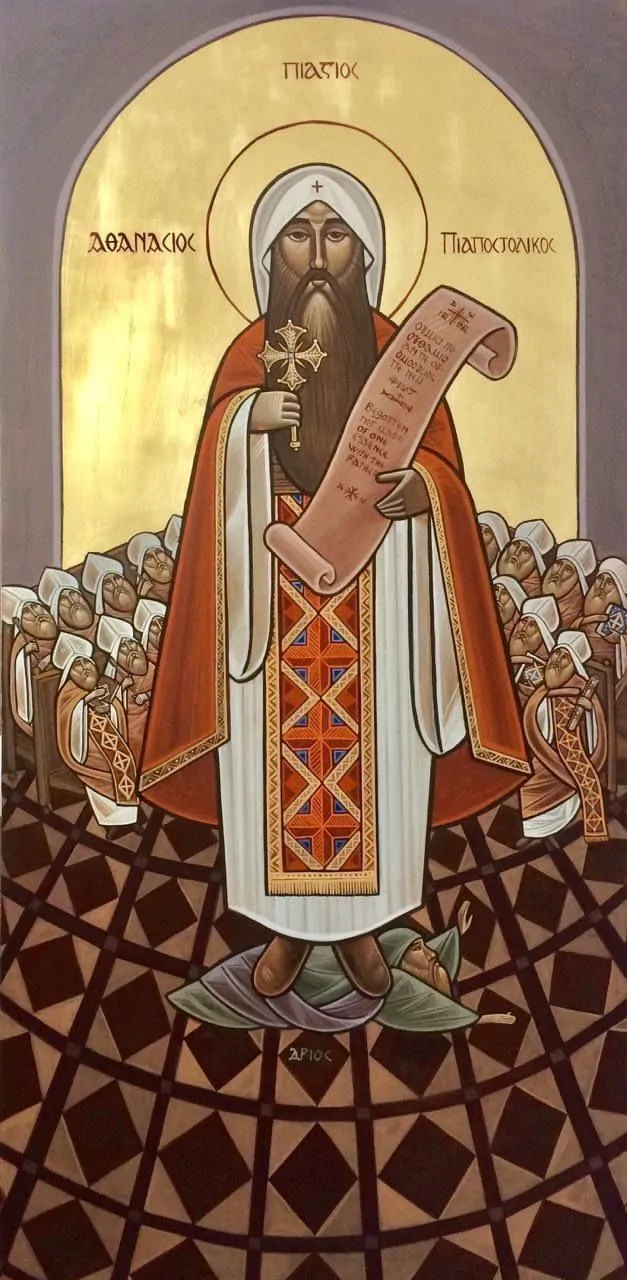
Pope Athanasius

The Coptic Church is a strong defender of the Christian faith. The Creed of the Council of Nicaea, which is approved by churches worldwide, was written by one of the great sons of the Coptic Church: Pope Athanasius (who also lived in Trier for 2 years in exile [ca. 335-337 AD]).
He wrote the Creed, which is the foundation of the Christian faith, and defended the faith against the Arians, who claimed that the Son of God was not of the same substance as the Father, but a created creature. He was sent into exile seven times, but he remained steadfast in faith and defended the truth of Christianity. He is also known for his writings on the Holy Trinity and the Incarnation of Christ.
Monasticism

The Beginning of Monasticism

The beginning of Christian monasticism lies largely in Egypt and developed in the 3rd and 4th centuries. The deserts of Egypt in particular became the center of a new spiritual way of life: people consciously withdrew from society to live closer to God in prayer, asceticism, and solitude.

The Desert Fathers

Anba Anthony
Anba Anthony

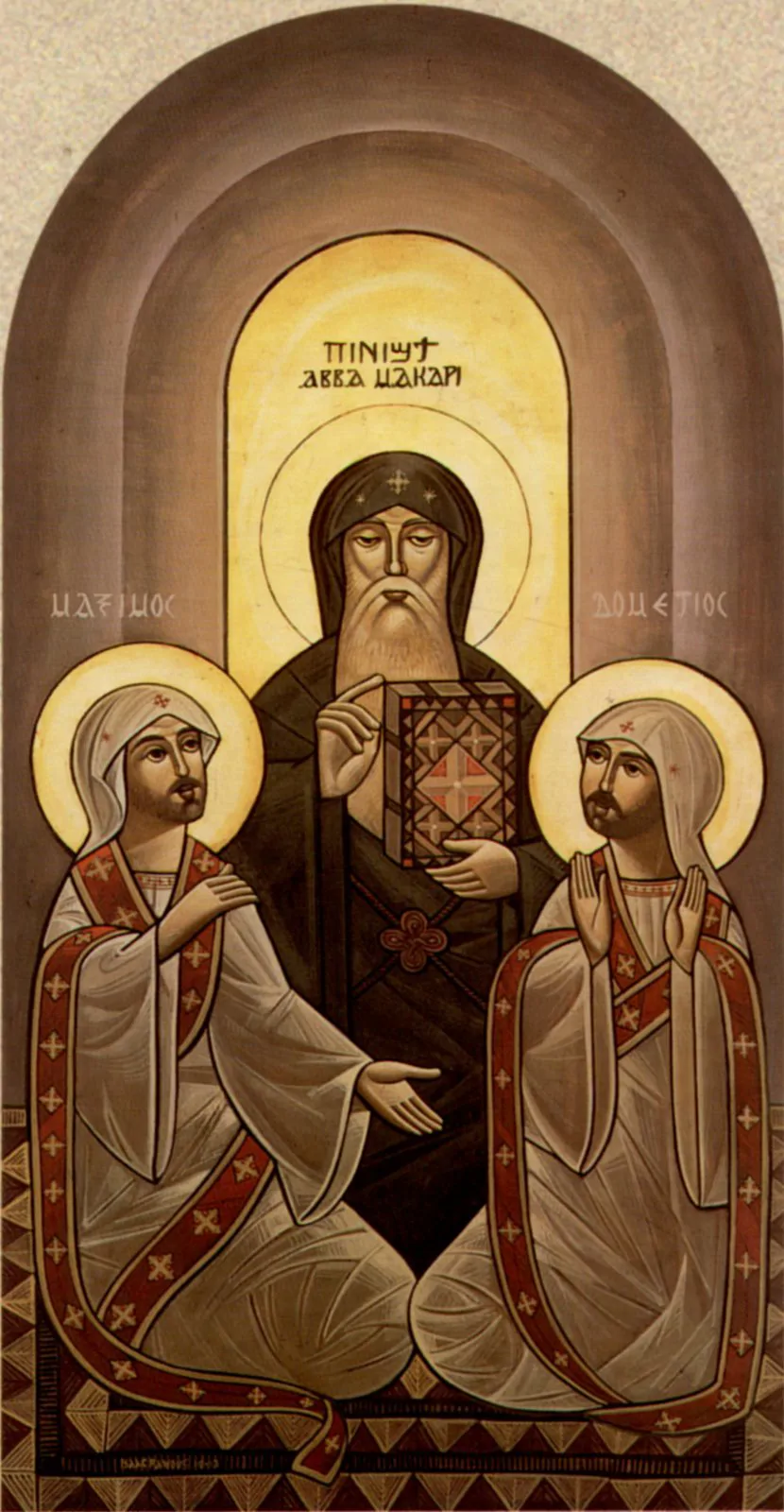
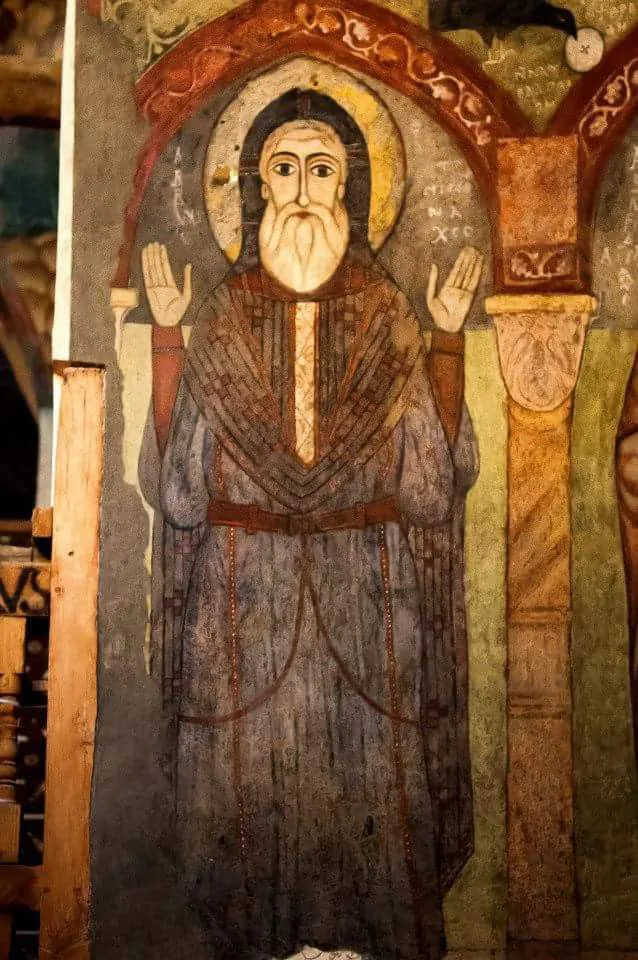
One of the most important figures at the beginning of monasticism was Anthony the Great (ca. 251–356). He is considered the "Father of Monks." Anthony withdrew into the Egyptian desert, lived there as a hermit, and devoted his life to prayer, fasting, and spiritual warfare. Many people came to him to learn from him, and the first communities of hermits formed around him.
His life was later described by Athanasius of Alexandria. The work spread throughout the Roman Empire and made Anthony a role model for Christians who also wanted to lead an ascetic life.

St. Macarius the Great

In the beginning, many monks lived as hermits (alone in the desert). Later, a second form of monasticism emerged: communal life in a monastery. This form was particularly developed by Pachomius in the 4th century. Pachomius founded organized monasteries with fixed rules, communal work, prayer, and clear structure. This model spread quickly and later influenced monasticism in Europe as well.

Important Places of Early Monasticism

Several regions of Egypt became important centers of monasticism:

  • the Desert of Nitria
  • the Region of Scetis (today Wadi an-Natrun)
  • the Desert of Kellia
Thousands of monks lived there, either alone in cells or in loose communities.

The Significance of Monasticism for Christianity

Monk
Monk
Monk
Monk

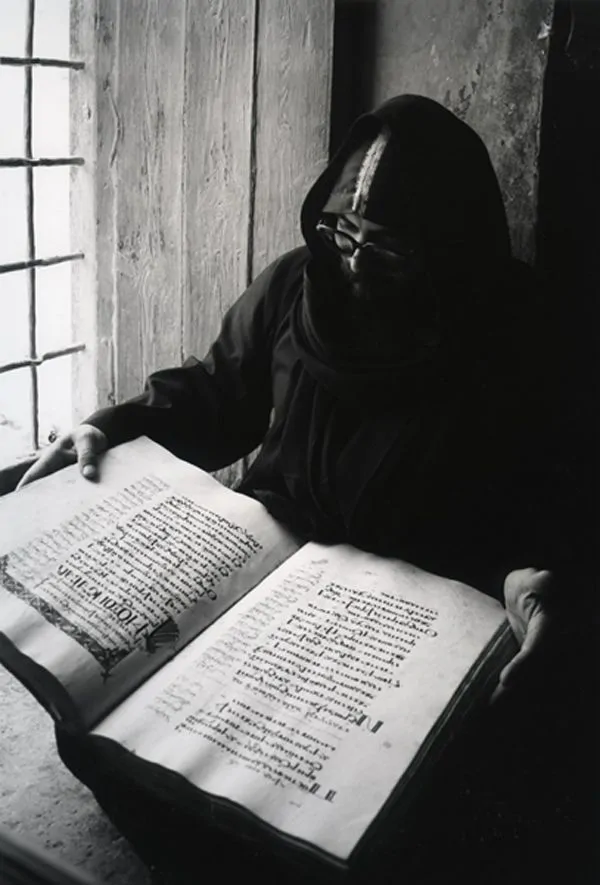
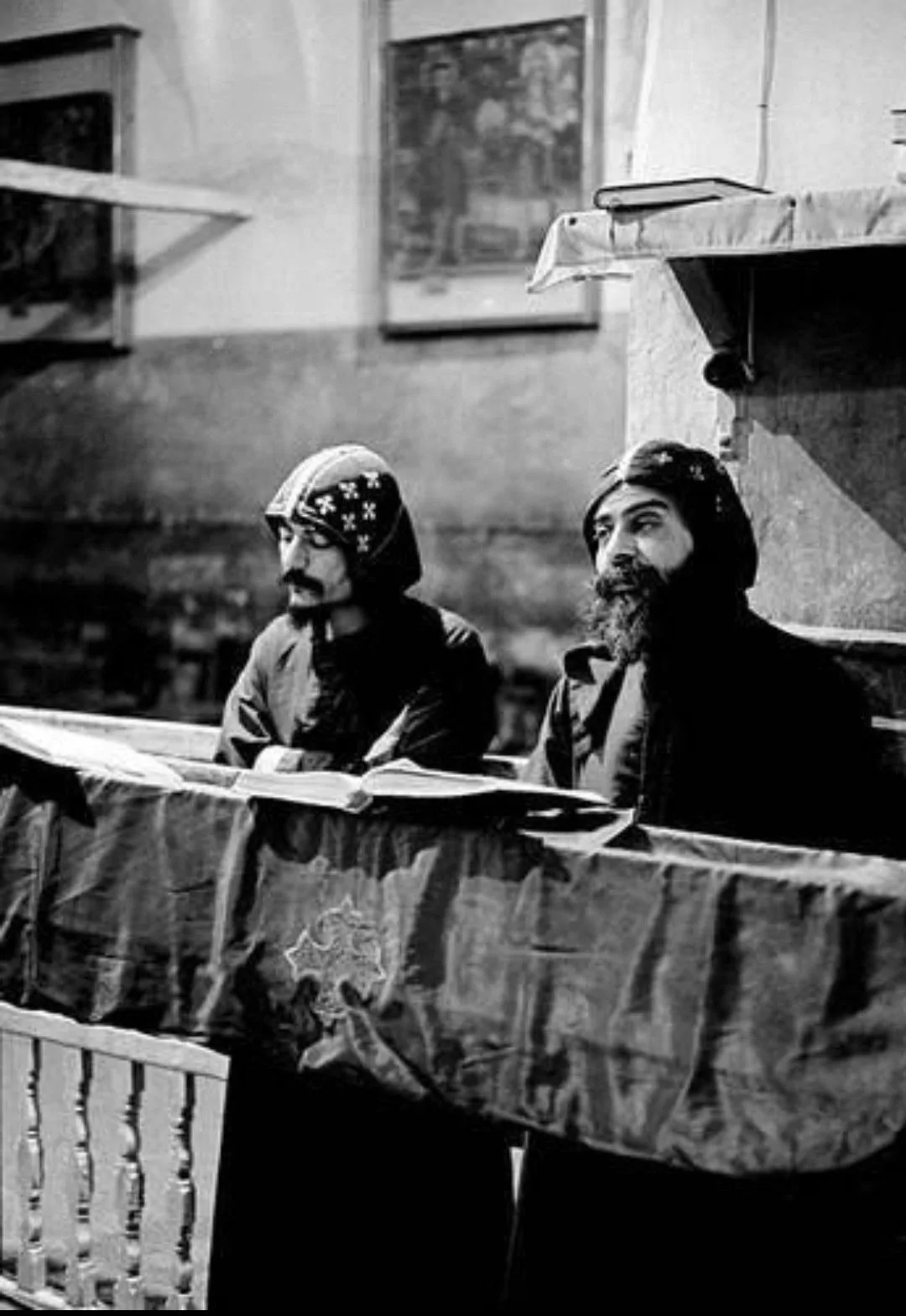
Egyptian monasticism influenced all of Christianity. Many pilgrims from the Roman Empire traveled to Egypt to learn from the monks. The ideas of ascetic life, monastic rules, and spiritual discipline later spread to Palestine, Syria, Asia Minor, and Europe. To this day, monasticism plays a central role in the Coptic Orthodox Church of Alexandria, and many of the world's oldest monasteries are still located in the Egyptian deserts.

Pope Kyrillos VI

Pope Kyrillos VI
Pope Kyrillos VI
Pope Kyrillos VI
Pope Kyrillos VI

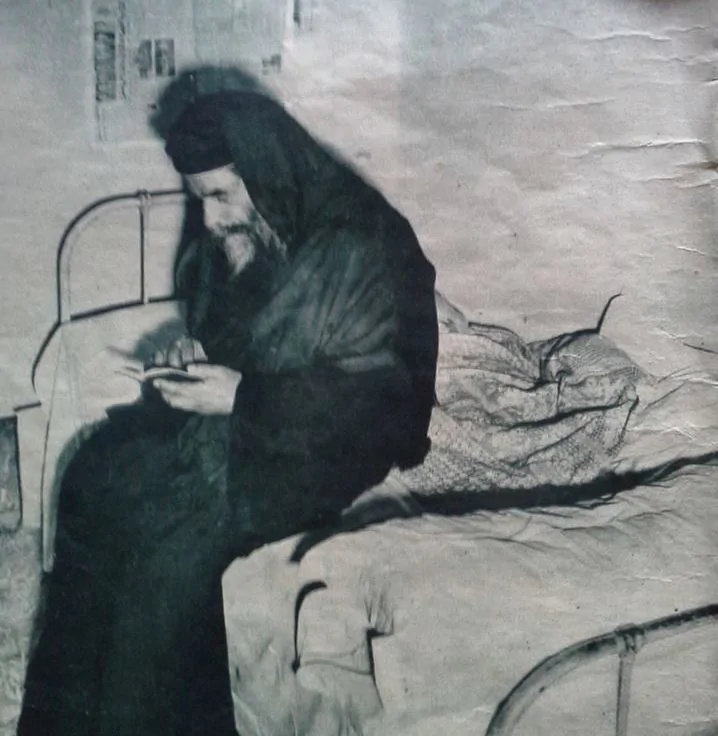
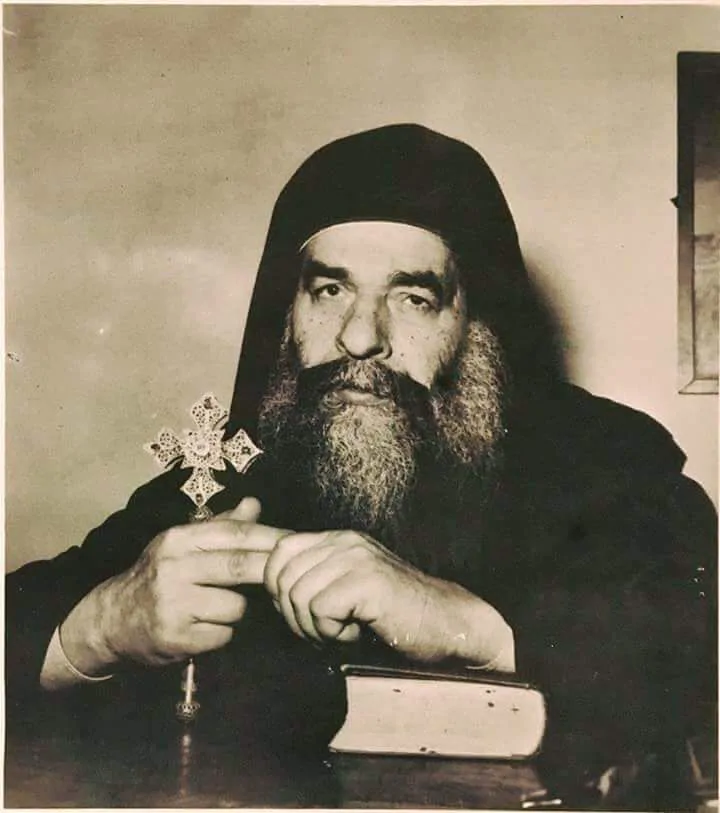
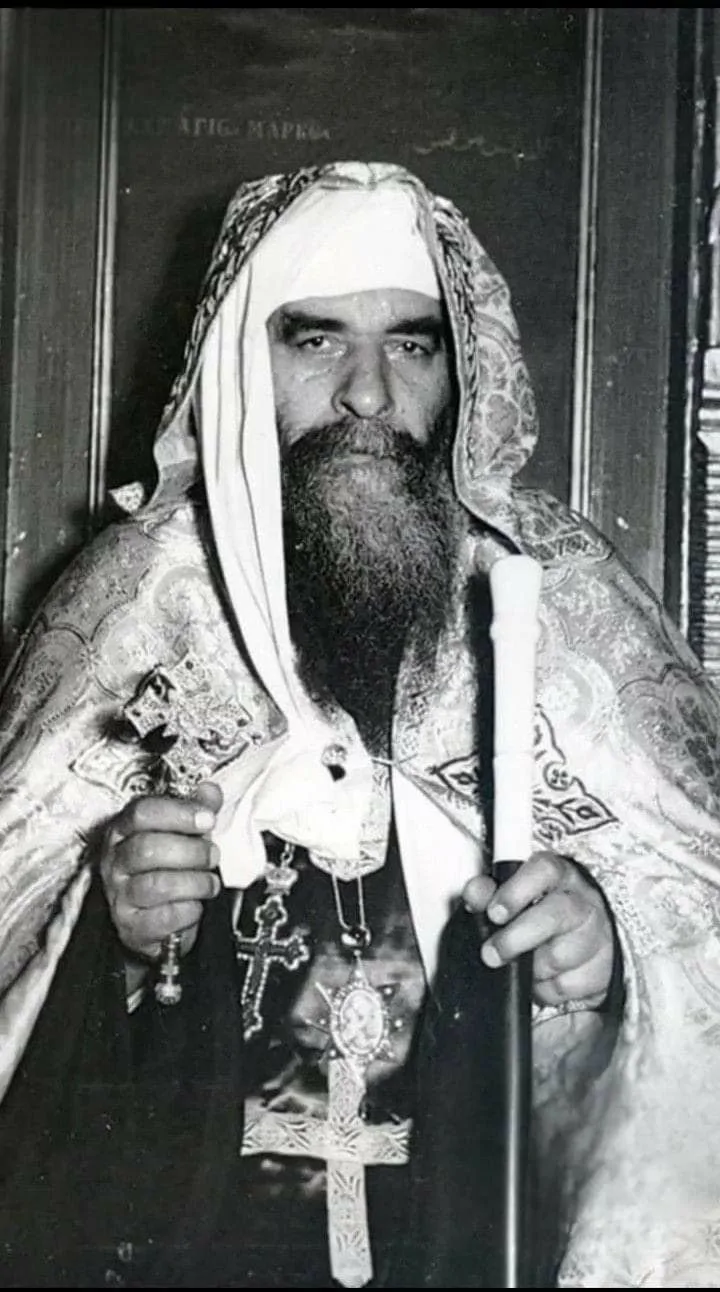
Another important monk in the history of the Coptic Church was Pope Kyrillos VI (1891–1971). He was a monk before being elected Pope, and he brought many spiritual and social reforms to the Church. He was known for his humility, deep faith, and devotion to the poor. Under his leadership, the Coptic Church experienced a period of growth and renewal.

Pope Kyrillos VI
Pope Kyrillos VI
St. Mary - El Zeitoun

He championed education, built new churches and monasteries, and strengthened the community of believers. He is regarded by many as one of the greatest Popes in the history of the Coptic Church. He performed many miracles.
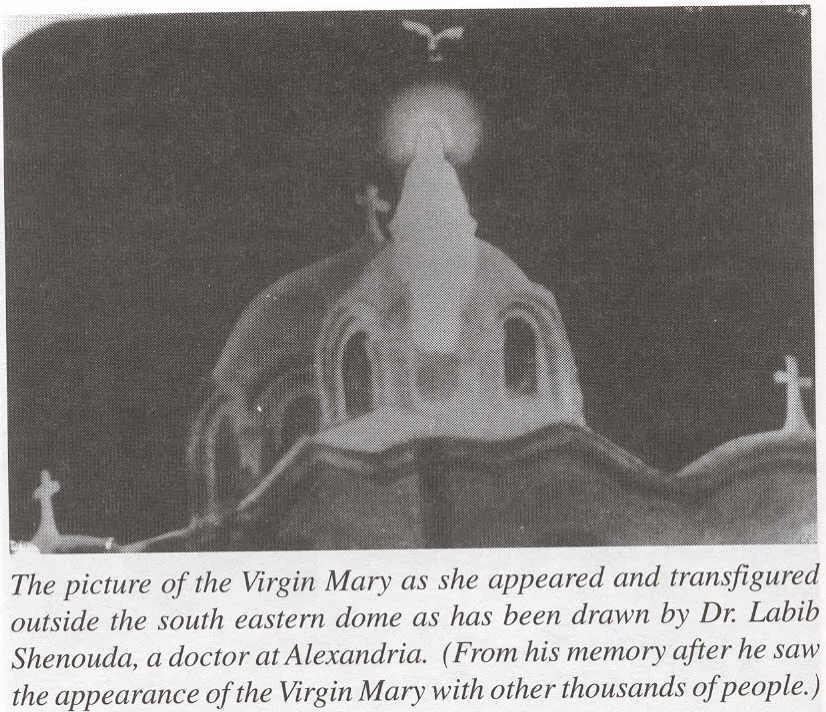
During his time as Pope, the Holy Virgin Mary appeared. More on Wikipedia and a book titled "The Marian Apparitions at Zeitoun: An Evidential Inquiry"
St. Mary - El Zeitoun

The Copts Today

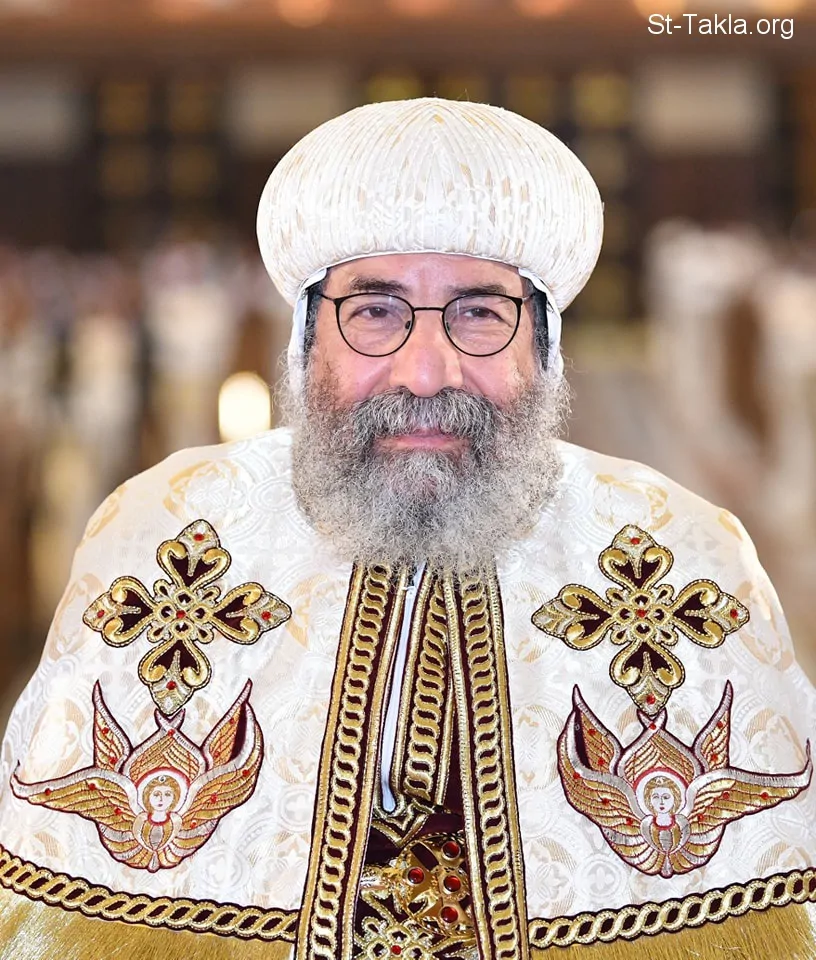
Pope Tawadros II
Pope Tawadros II

The Coptic Church, now more than nineteen centuries old, and despite the unity and complete integration of the Copts, continues to be a strong religious entity and a clear Christian figure in the world.

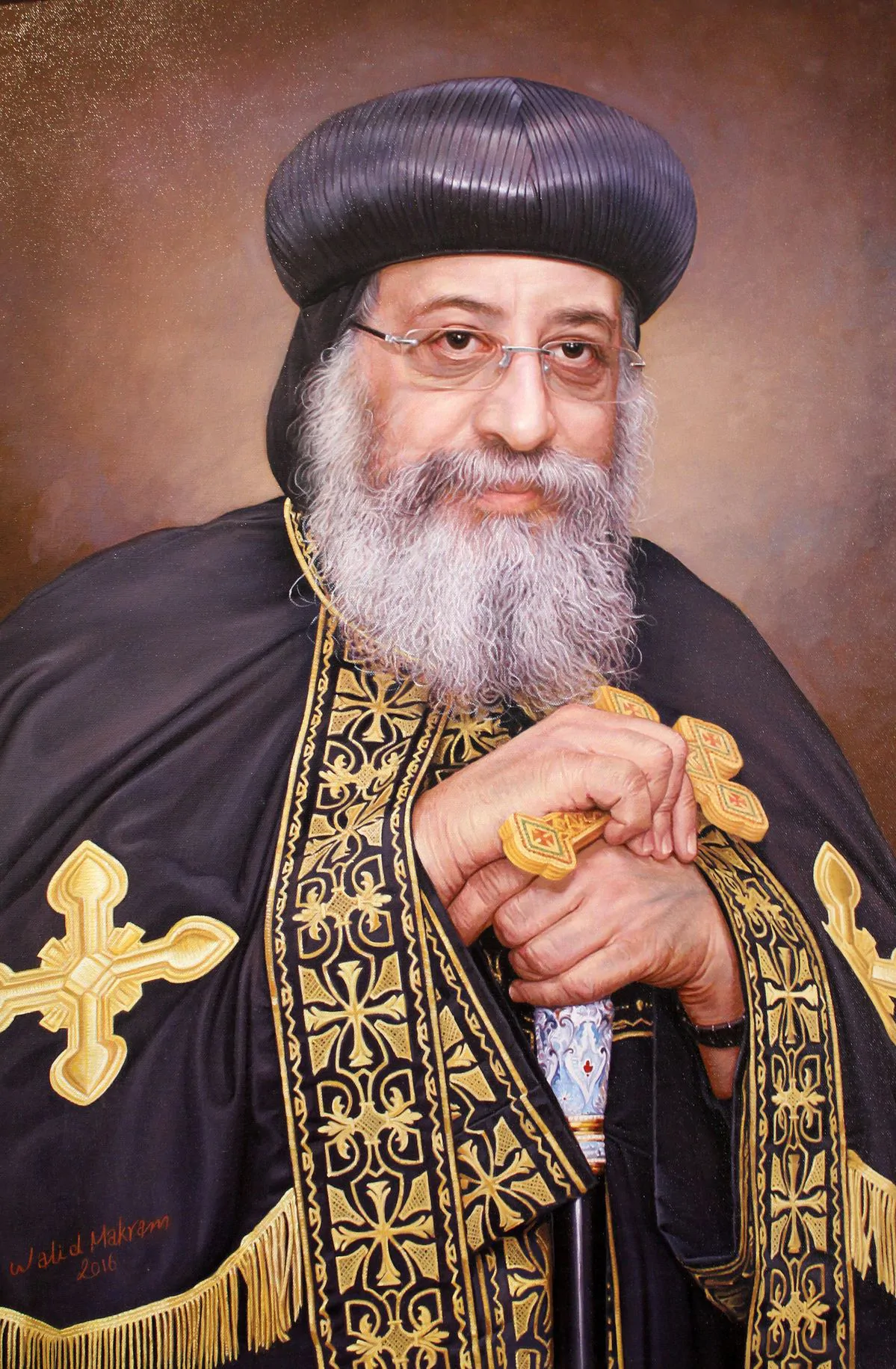
There are no official figures on the membership of the Coptic Orthodox Church in Egypt. The estimate is approximately 20 million. Since November 18, 2012, His Holiness Pope and Patriarch Tawadros II has led the Coptic Church. He is considered the 118th successor of St. Mark.

The increasing attacks by Islamic extremists on Christians and the general deterioration of living conditions were major factors that led to the largest wave of Coptic emigration from Egypt. "On that day a great persecution broke out against the church in Jerusalem, and all except the apostles were scattered throughout Judea and Samaria ... Those who had been scattered preached the word wherever they went." Acts 8:1,4

Thus, large Coptic communities were established in Canada, the USA, and Australia.
Coptic communities were also established in Western European countries, particularly in Germany, France, Italy, the Netherlands, Austria, and Switzerland.
The Copts have been in Europe since about 285 AD. You can find more under the following link.

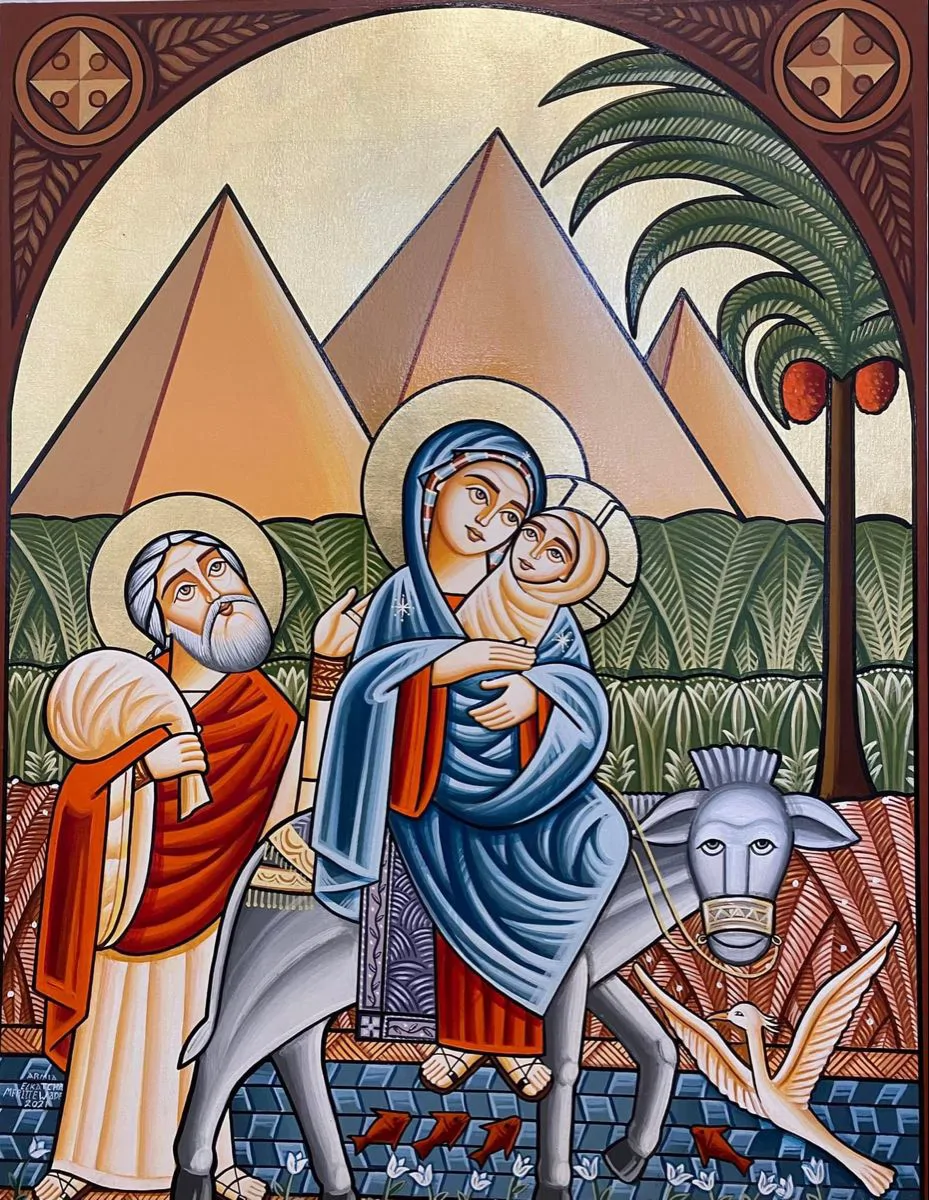
The Holy Family
The Holy Family

In the Old Testament there are prophecies that refer to Egypt. Thus it says in the Book of the Prophet Isaiah (19:19): "In that day there will be an altar to the LORD in the heart of Egypt."
The stay of the Holy Family in Egypt means a great deal to the Copts: Egypt was the only country outside their homeland where the Lord stayed.
Churches were built at the sites where the Holy Family stayed, which people from all over the world still visit today.

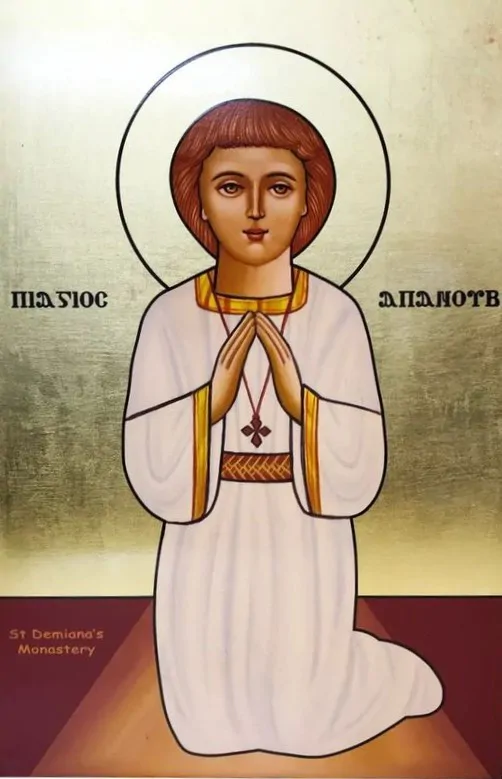
Our Patron Saint - St. Abanoub

Icon of St. Abanoub
Icon of St. Abanoub

Our church is dedicated to St. Abanoub, a young martyr who died for his Christian faith at the age of just 12. He is a symbol of strength of faith and devotion and inspires us in our life of faith. The Coptic Church celebrates his feast on July 31.

The Story of St. Abanoub

Abanoub was born in the city of Nehisa in the Nile Delta, the only child of devout Christian parents who died early. When he was twelve years old, he heard a priest in church encouraging the congregation to remain faithful – in the midst of the persecutions under the Roman Emperor Diocletian. Afterward, Abanoub received the holy sacraments, gave all his possessions to the poor, and set out on foot to the city of Samanoud.

On the way, the Archangel Michael appeared to him in heavenly glory and told him that he would suffer in Samanoud for three days and bear witness to his faith in several places. In Samanoud, Abanoub bravely appeared before the Roman governor, openly confessed his faith in Christ, and rejected idolatry. He was then severely tortured – but each time the Archangel Michael miraculously healed his wounds. Through these signs, many people came to faith and received the crown of martyrdom.

The governor had Abanoub taken by boat to Atrib, where he was further tortured. During the voyage, the soldiers went blind and the governor was paralyzed; only through Abanoub's prayer were they healed – and they then confessed their faith in Christ. In Atrib, poisonous snakes were thrown at him, but they did him no harm. This victory also led many – including three magicians – to conversion. Finally, Abanoub was beheaded by the sword and died a martyr's death.

A devout man named Julius wrapped his body in fine linen and brought it to his hometown of Nehisa. In 960 AD, his relics were transferred to the Church of the Holy Virgin Mary and St. Abanoub in Samanoud, where they rest to this day. In this church there is also a well from which the Holy Family – the Lord Jesus, the Virgin Mary, and St. Joseph – drank during their flight to Egypt. To this day, numerous miracles and appearances of the Saint are reported there.

Coptic Art and Icons

Theological Significance

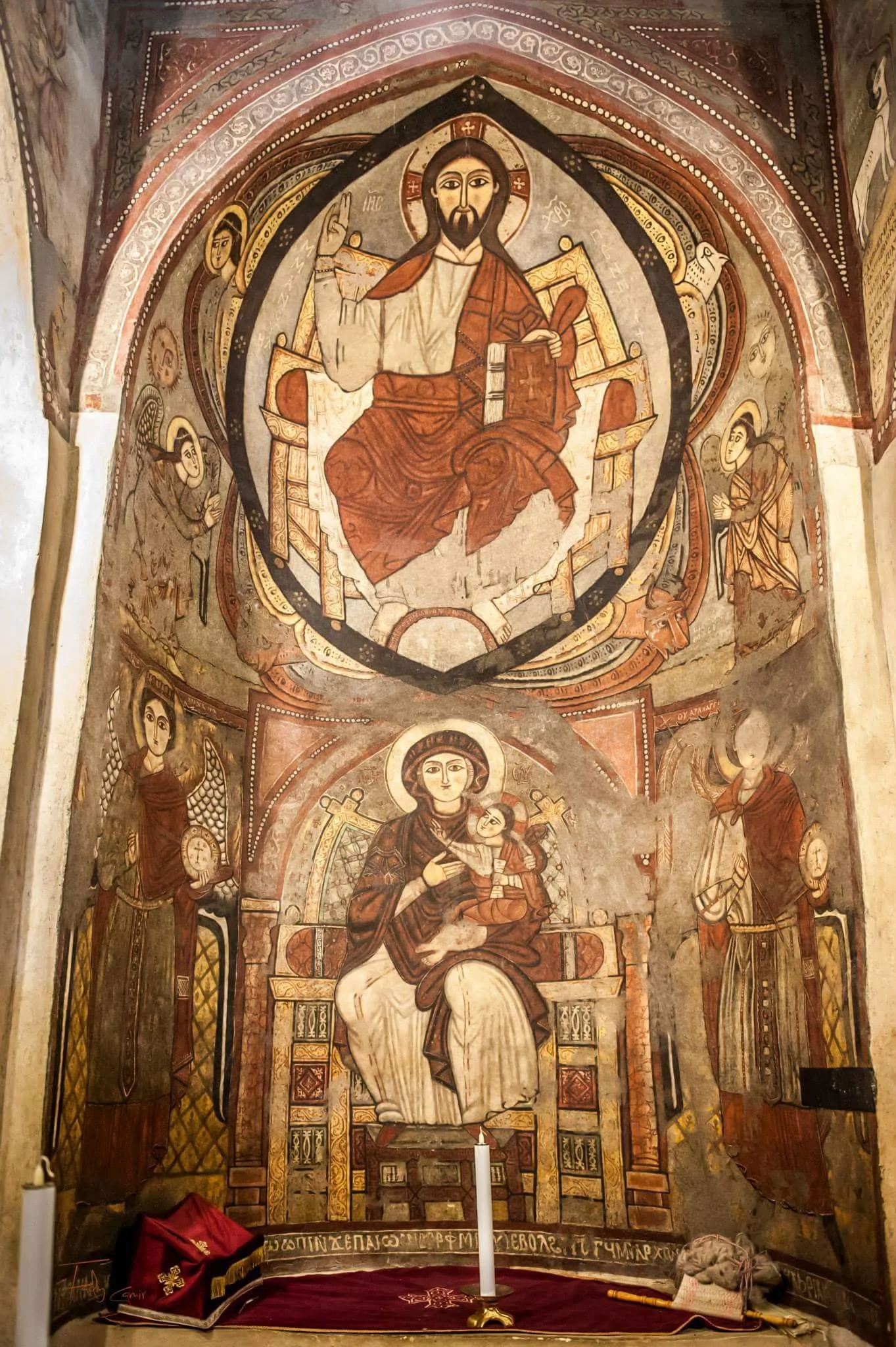
Pantocrator - St Anthony
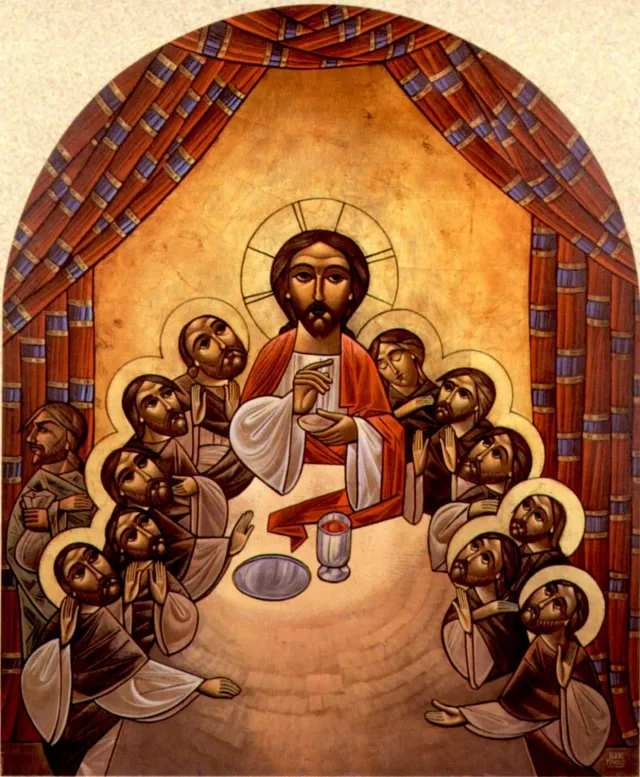
The Last Supper
The Last Supper

Coptic icons are not artworks in the modern sense — they are theology in color. Every element has a deep spiritual message: The frontality of the figures creates a direct encounter between the saint and the one praying. The saint "looks" at the believer — the icon becomes a gateway, a window into the divine world. The deliberate neglect of perspective and naturalism is not artistic inability, but theological intention: the eternal cannot be depicted with the means of the perishable.
The golden age of Coptic icon painting ranges from the 4th to the 13th century.

Characteristic Style Features

The Coptic style is immediately recognizable and differs clearly from Byzantine or Western European icon painting.

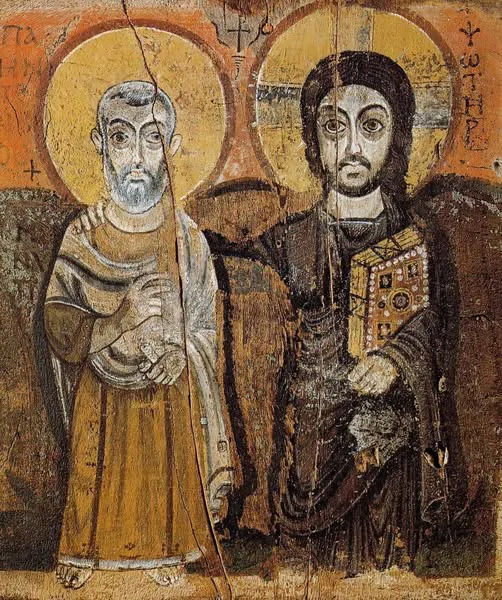
Abba Mina Bawit
St. Menas (Bawit)

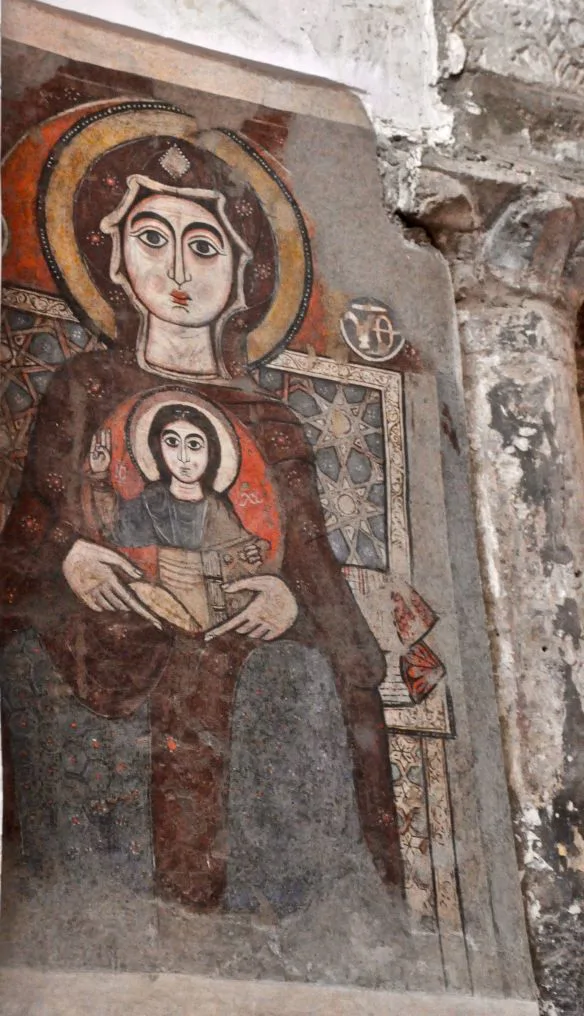
Eyes: The most striking feature are the oversized, wide-open eyes — almond-shaped, strongly emphasized, often frontal and directed straight at the viewer. They symbolize spiritual alertness and the gaze into the divine world.

Proportions: Figures are often flat and two-dimensional. Bodies appear elongated, hands oversized. The intention is not naturalistic representation, but the emphasis of the spiritual over the physical.

Colors: Strong, bright colors dominate — deep ochre, red, blue, green, and gold. There is hardly any shading or perspective; colors appear flat and symbolic.

Backgrounds: Unlike the Byzantine tradition, the background is often plain, occasionally with floral or geometric patterns, rarely with a gold ground.

Frontal View: Saints are almost always depicted frontally, which underscores the direct communication between icon and believer.

Theotokos
Theotokos

Particularly frequently depicted are the Mother of God (Theotokos — God-bearer), St. George, St. Menas, and Coptic martyrs and Desert Fathers such as St. Anthony the Great. The Desert Fathers play a special role, as Egypt is the cradle of Christian monasticism.

The Coptic Orthodox Church keeps this tradition alive to this day. Important artists of the 20th century — above all Isaac Fanous (1919–2007) — have revitalized the Coptic icon and combined it with modern sensibility without sacrificing its spiritual core. Coptic icons are collected worldwide and are considered an important testimony of early Christianity.

Our Story in Schwäbisch Gmünd

Our community was founded to provide Coptic Orthodox Christians in the region with a place of gathering, prayer, and spiritual home. Since then, we have grown steadily and developed into a vibrant community.
The community is culturally diverse: Sudanese, Egyptians, Syrians, and Germans.
We warmly welcome all people who want to learn more about our faith or are looking for a spiritual home.

Copts in Germany

Bishop Dioscorus
Bishop Dioscorus

We belong to the Coptic Orthodox Diocese of Southern Germany, led by Bishop Dioscorus.
The Copts have churches and monasteries throughout Germany.
In 2017 in Schwäbisch Gmünd, we were able to purchase a church in Hussenhofen, which we have been renovating since.
Today we have a vibrant community with regular services, a Sunday school for children, and various activities for all age groups.

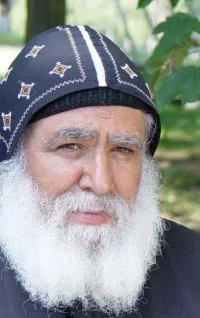
Bishop Michael
Bishop Michael

Our church in Schwäbisch Gmünd belongs to the Diocese of Southern Germany, which was led by Bishop Michael until he was called to God on August 5, 2023.
In June 2025, our new Bishop Dioscorus was ordained.
Here are some useful links: